NXP 74HC245D,653: An In-Depth Technical Overview and Application Guide for the Octal Bus Transceiver
The NXP 74HC245D,653 is a quintessential component in the world of digital logic, serving as a high-speed, octal bus transceiver designed for asynchronous two-way communication between data buses. Fabricated with advanced silicon-gate CMOS technology, this integrated circuit is a direct pin-compatible upgrade for older 74LS series parts, offering superior performance and significantly lower power consumption. Its primary function is to provide bidirectional interface and voltage level translation between different sections of a system that may be operating at varying logic levels or that require isolation.
Housed in a standard 20-pin SOIC package, the 74HC245D,653 features eight non-inverting bidirectional buffers, each with a 3-state output capable of sinking or sourcing up to 35 mA. This substantial current drive makes it exceptionally useful for interfacing with bus lines that have high capacitive loads or for directly driving indicators like LEDs. A defining characteristic of this device is its control logic, managed by two pins: the Output Enable (OE̅) and the Direction (DIR) control pin. A high logic level on OE̅ places all outputs in a high-impedance (Z) state, effectively disconnecting the buses and is crucial for preventing contention in shared bus architectures. The DIR pin dictates the data flow; a high level allows data from the A bus to the B bus, while a low level reverses the direction from B to A.
A key technical advantage of the 74HC245 is its wide operating voltage range from 2.0 to 6.0 V, allowing it to seamlessly interface between various logic families such as 3.3V microcontrollers and 5V peripheral devices. This flexibility is further enhanced by its robust noise immunity, a hallmark of HC CMOS technology. Typical applications are extensive and critical to modern electronics design. It is indispensable in:
Microprocessor and Microcontroller Systems: Isolating the data bus from peripheral devices like memory (RAM/ROM), sensors, and display drivers to prevent bus loading and data corruption.
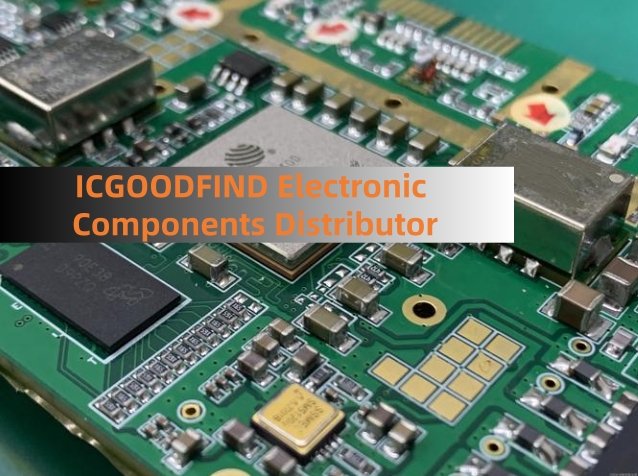
Bus Isolation and Buffering: Strengthening signals that must travel over long PCB traces or cables where capacitance would otherwise degrade signal integrity.
Level Shifting: Acting as a simple and efficient bidirectional voltage translator between devices operating at 3.3V and 5V.
Input/Output Port Expansion: Effectively increasing the number of available I/O pins on a microcontroller when used in conjunction with other logic devices.
When implementing the 74HC245, careful PCB layout is paramount. Designers must use decoupling capacitors placed close to the VCC and GND pins to mitigate switching noise and ensure stable operation. Unused inputs should never be left floating and must be tied to VCC or GND. Furthermore, for systems with hot-plugging capabilities, external current-limiting resistors or more specialized interface ICs might be necessary to protect the 74HC245's inputs and outputs from transient voltage spikes.
ICGOOFind: The NXP 74HC245D,653 remains a fundamental and highly reliable workhorse for digital design. Its robust bidirectional capability, significant drive strength, and flexible voltage operation solidify its role as a go-to solution for bus buffering, level translation, and signal isolation across a vast array of applications, from industrial controls to consumer electronics.
Keywords: Bidirectional Bus Transceiver, Voltage Level Translation, 3-State Output, Octal Buffer, CMOS Technology.

